
Building a Campervan for Photography, Adventure and New Perspectives.
Over the years, we’ve travelled in just about every way possible—from camping, caravanning, and motorcycle touring to hiring a coachbuilt motorhome around western Scotland (more about our Scotland adventure here).
Those trips taught us two key things: we love the freedom of exploring, but we really appreciate a comfortable bed and being able to stand up at the end of a long day.
As a photographer, freedom of movement is everything. It means arriving late, staying overnight at a location, and being ready the moment the sunrise light hits without worrying about hotel check-ins or long morning drives.
We needed something practical rather than luxurious—comfortable enough for longer trips, but manageable on tight coastal roads and easy to park.
After months of searching, I found the right candidate: a clean, solid, long-wheelbase semi-high-top Renault Master. It gave us the exact canvas we needed to build around how we actually travel.
Then the real work began.
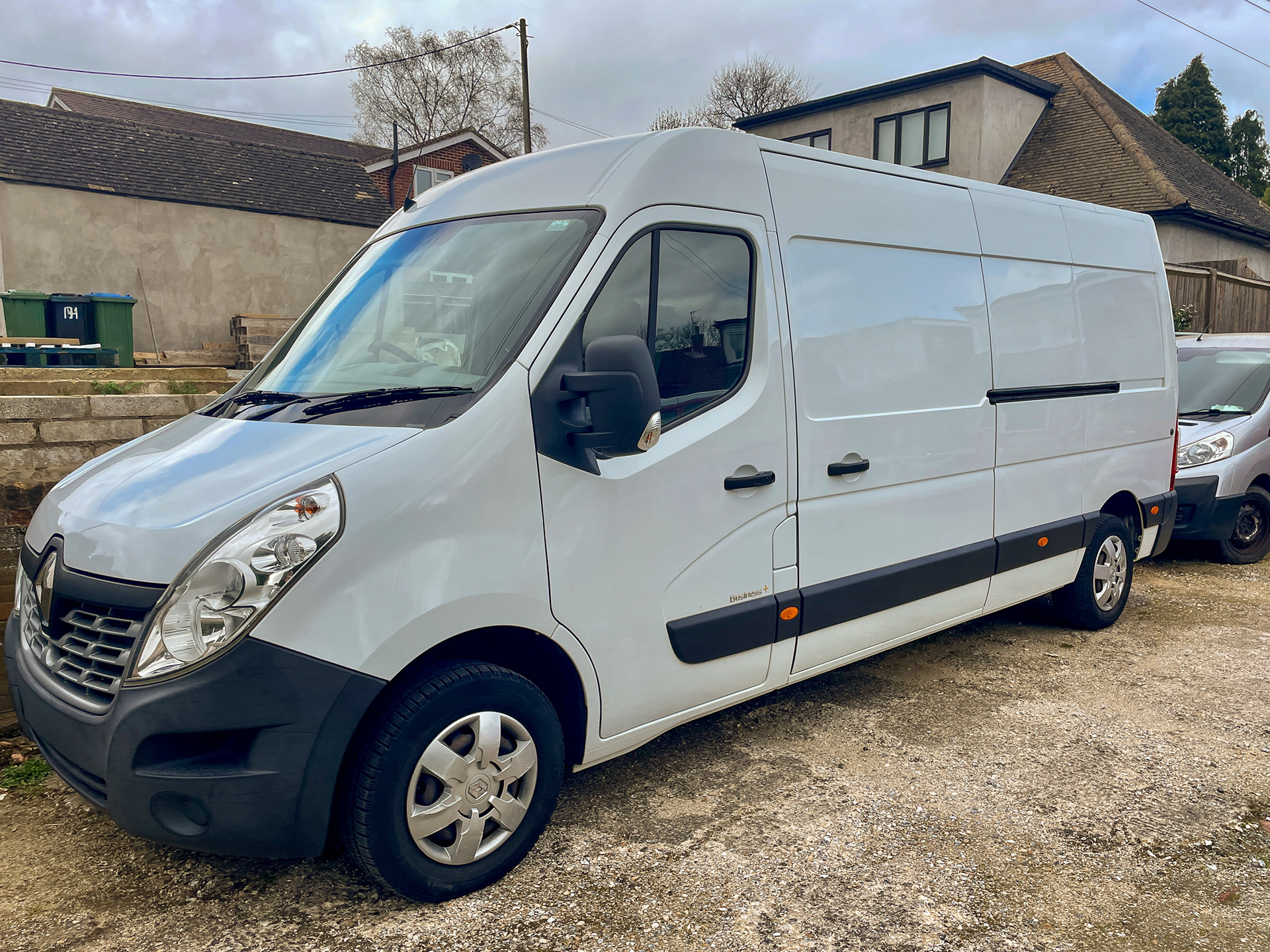
May 2024 the Renault Master arrives and the project starts to become real.
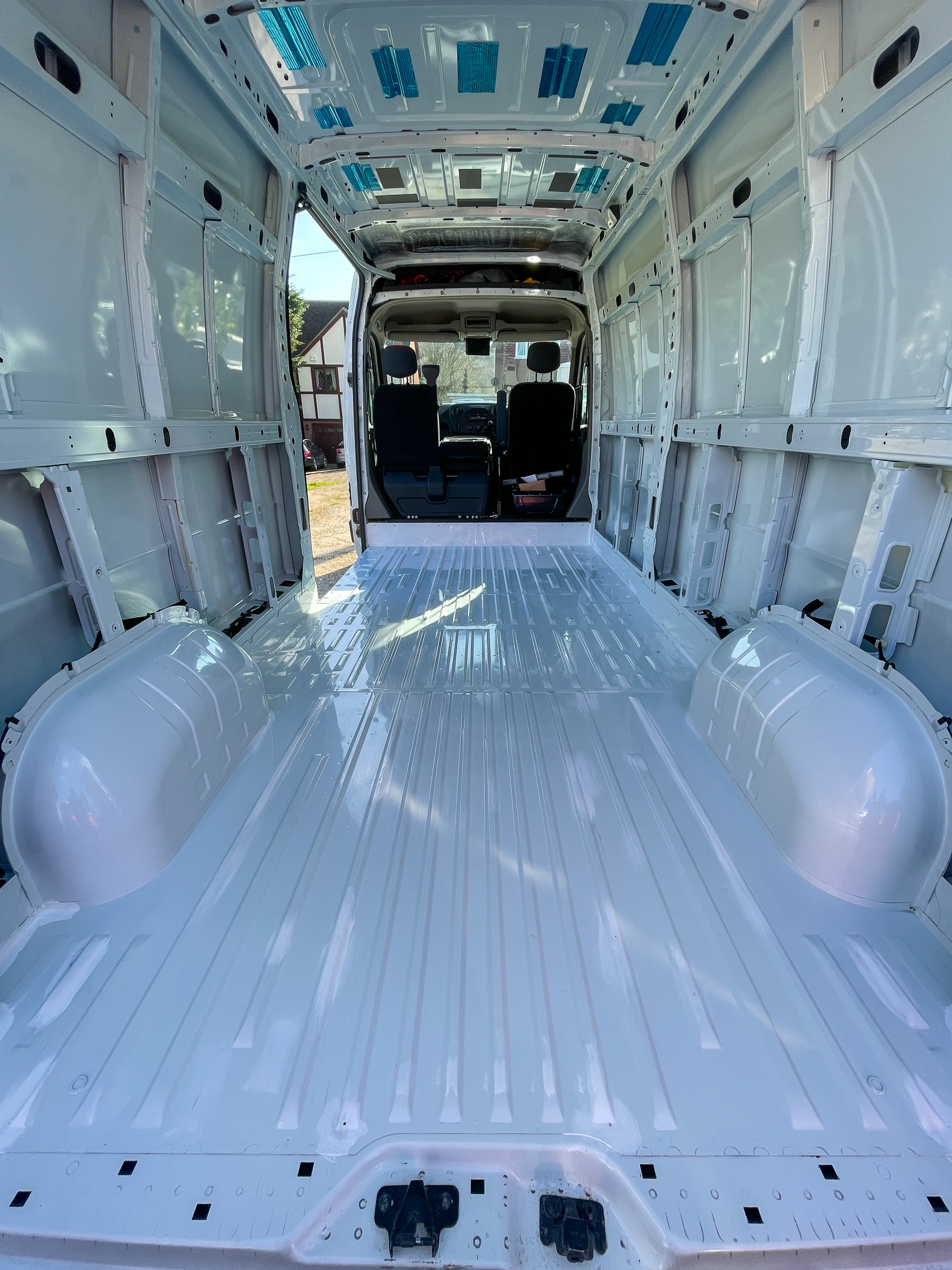
First job, strip out and tidy up all the wear and tear.
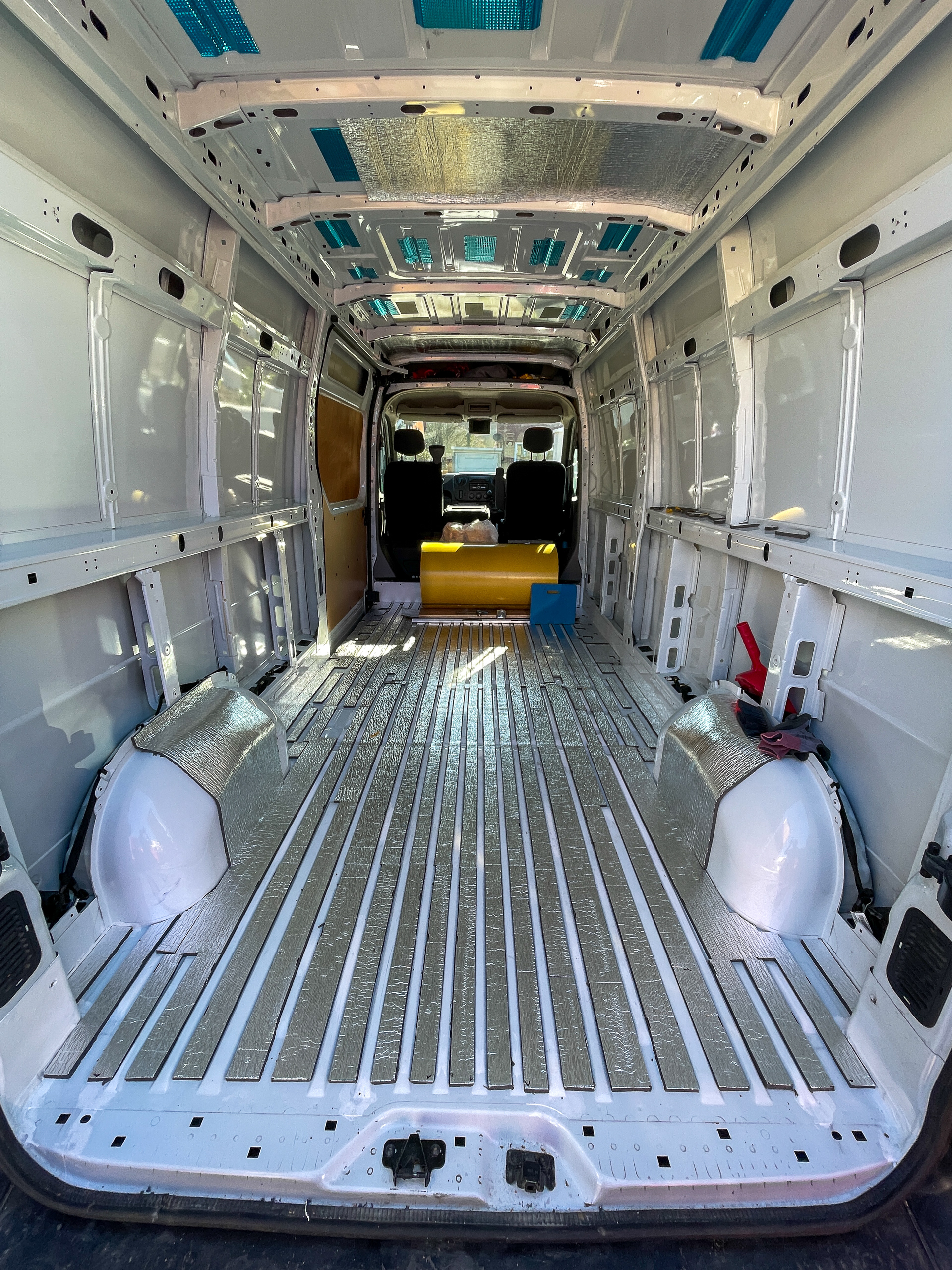
Sound insulation.
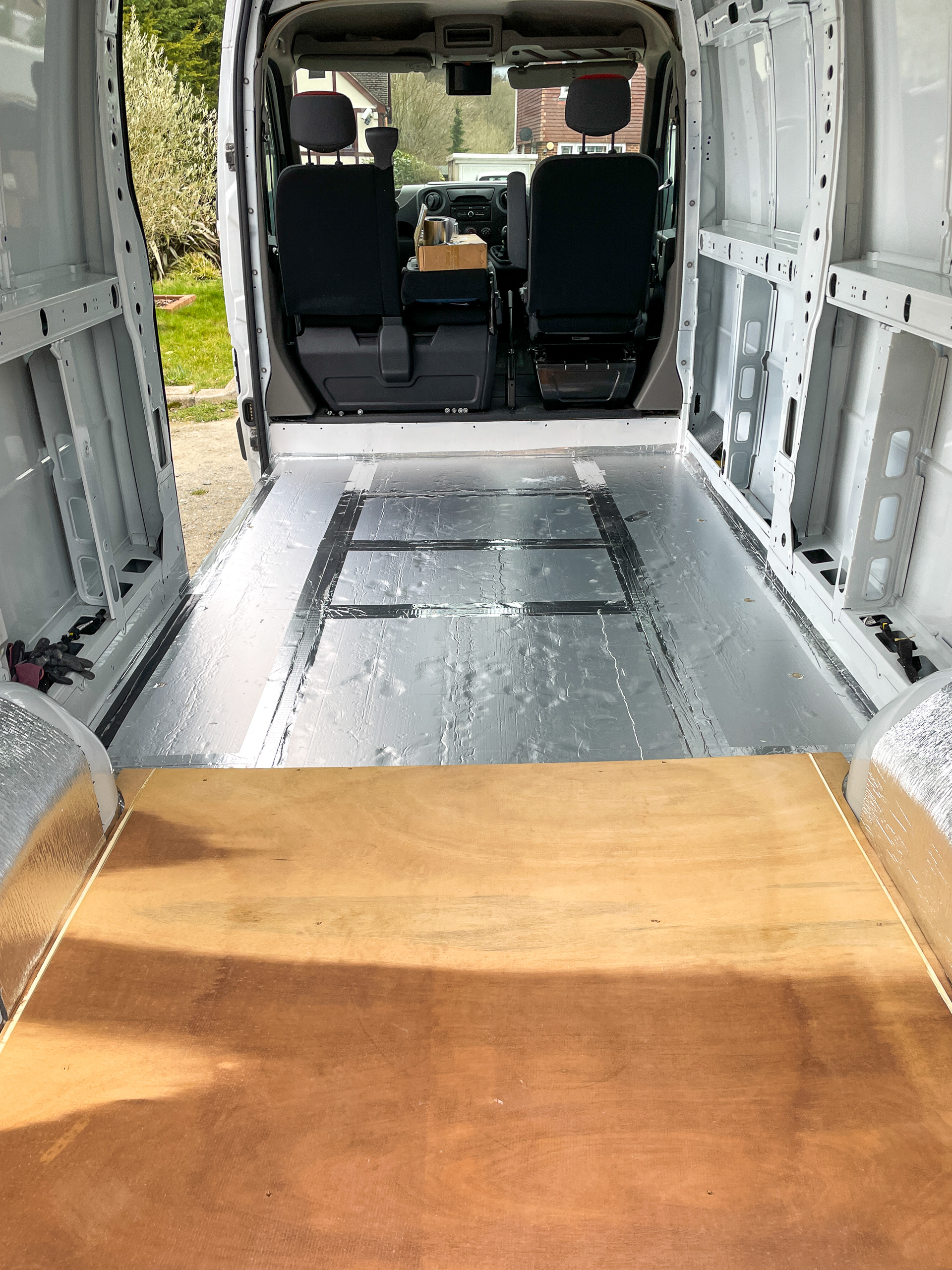
Thermal insulation.

Power in! Cutting this small round hole for the 16amp fitting was an anxious moment!!

Three layers of protection, sound deadening, sound insulation and finally lambswool adding an organic thermal layer.

Panels back in and some temporary lights until I resolve the roof work.

Frames for windows
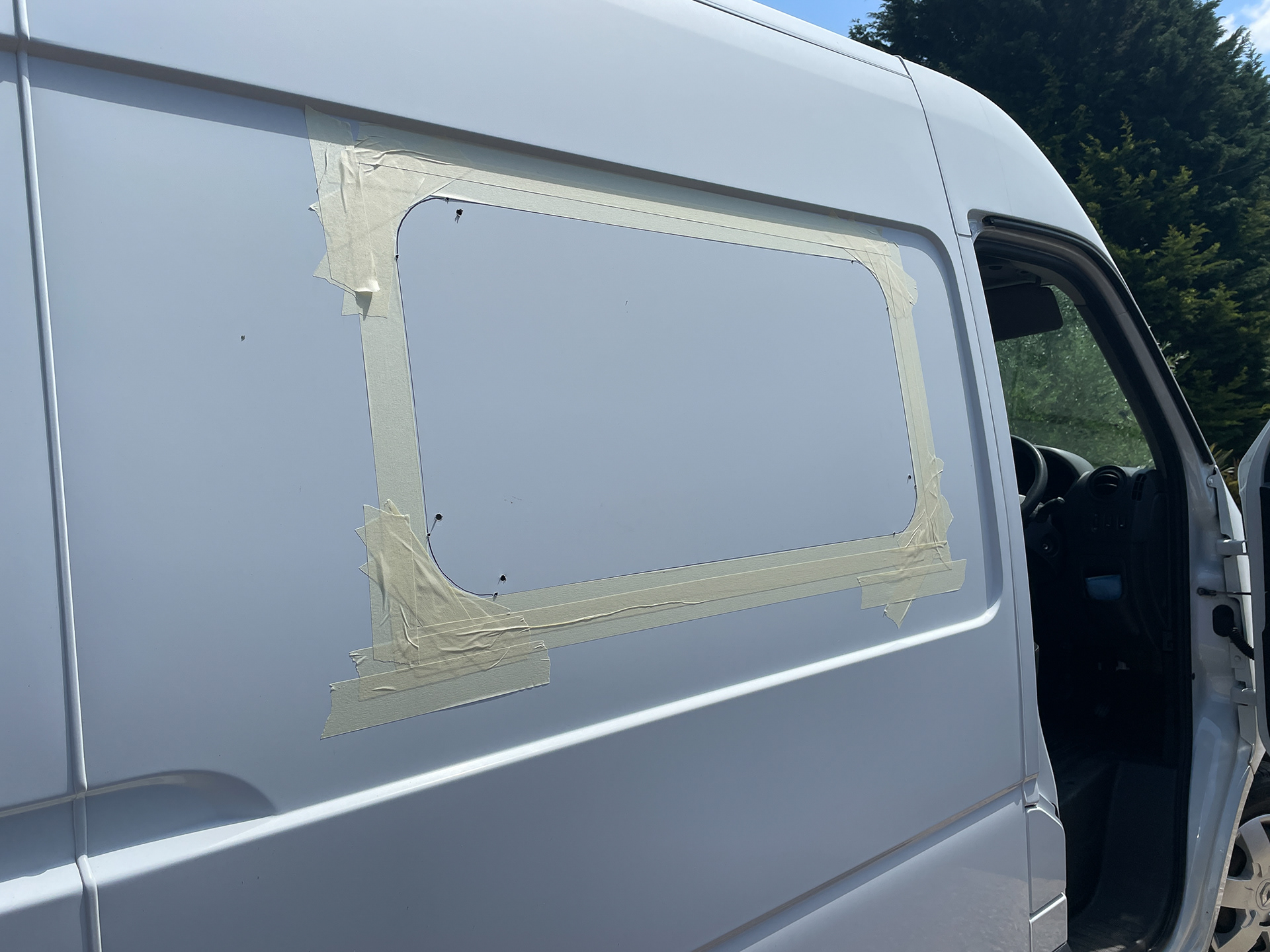
Marking out was measure, measure, measure before final marking and tape to protect paint.

Then out with the jigsaw with fresh hss cutting blades

The corners were marked out using CAD (Cardboard Aided Design)
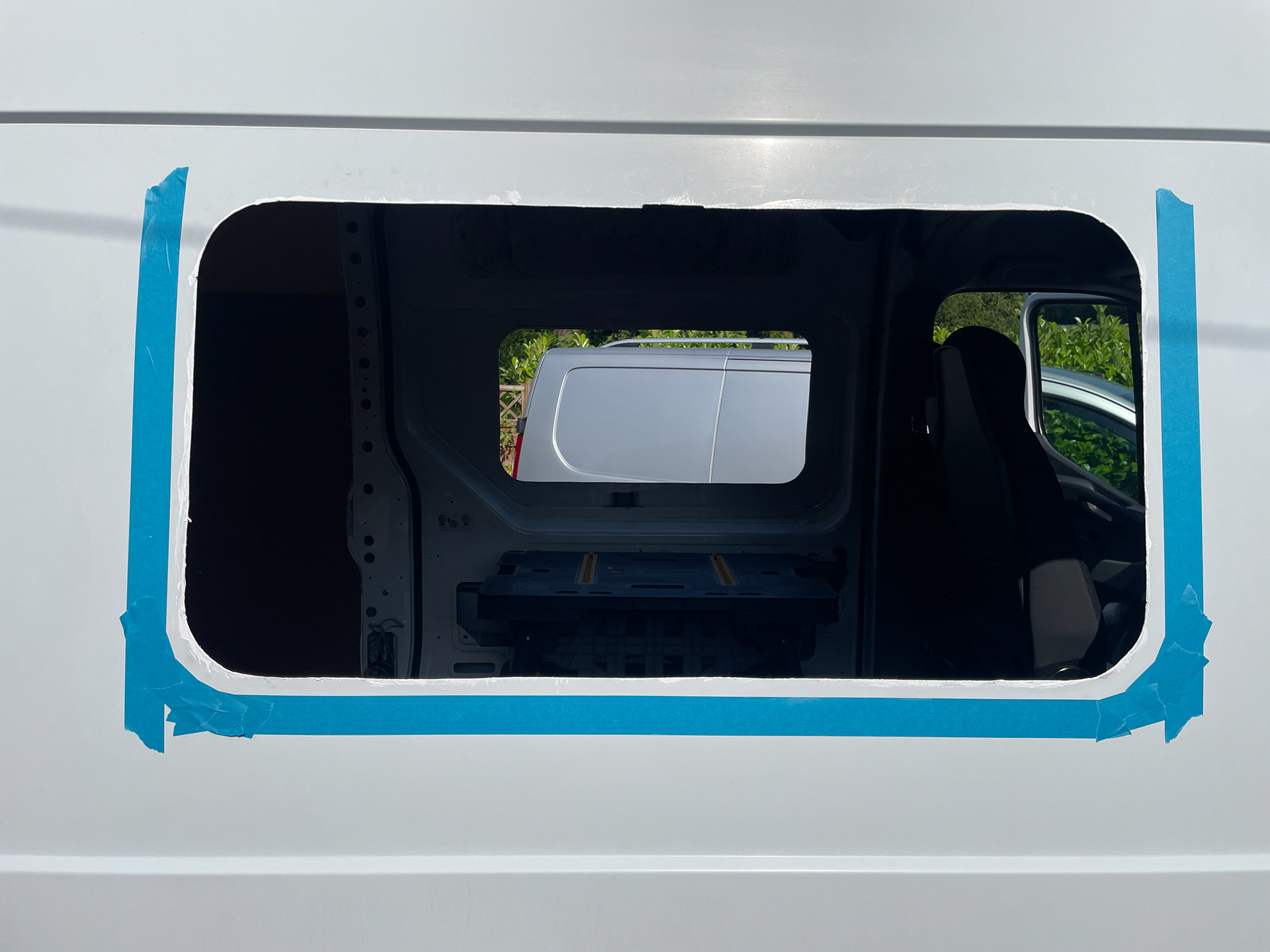
Holes Cut and ready for the windows.

Caravan style for two basic reasons, double glazed for improved thermals and top hinged means that they can be opened in the rain for ventilation!

Basic electrical build at this stage.
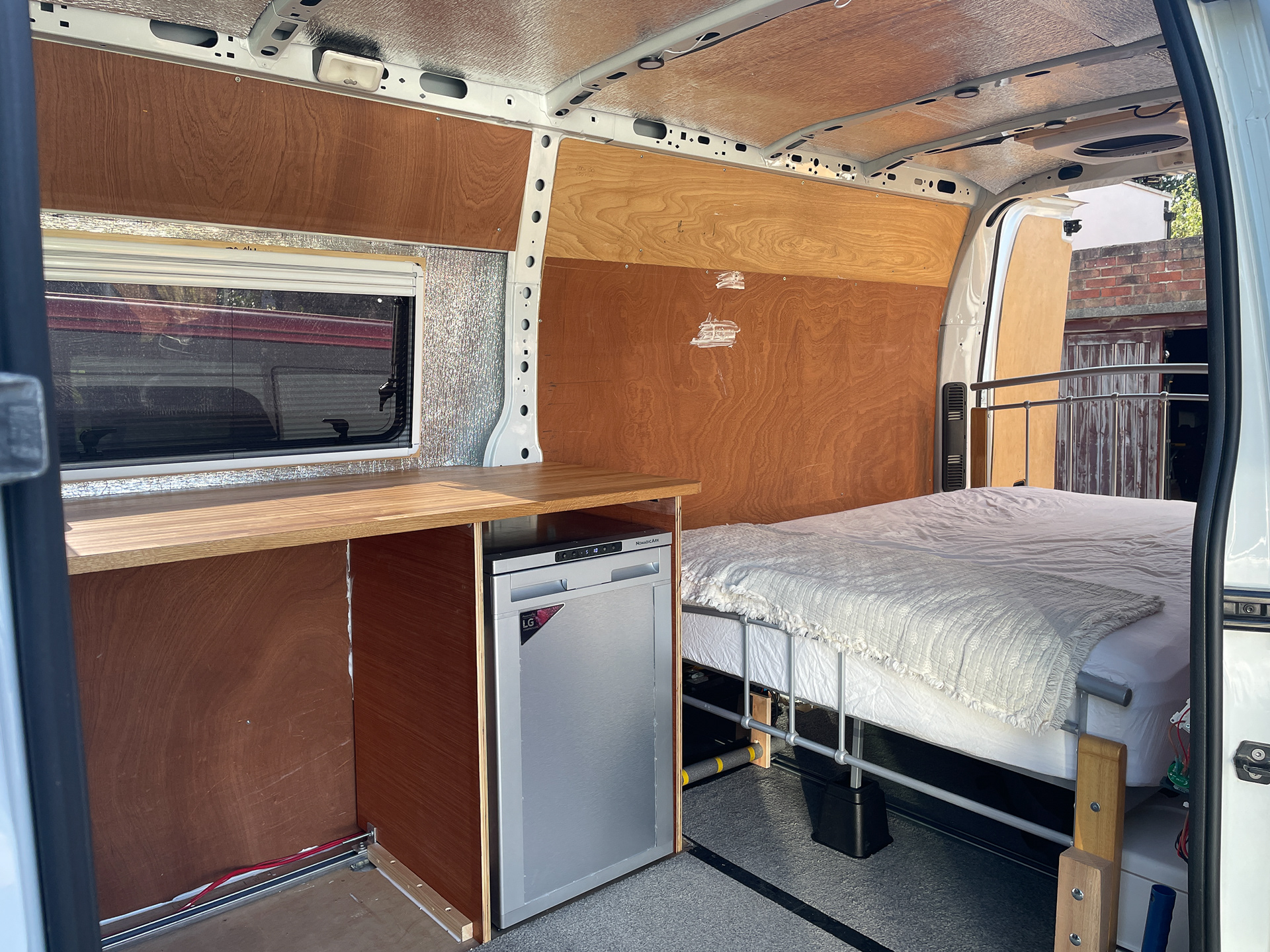
Embryonic kitchen unit, Fridge, and a bed from IKEA gives us the basic needs for its first weekend away to prove the basics!
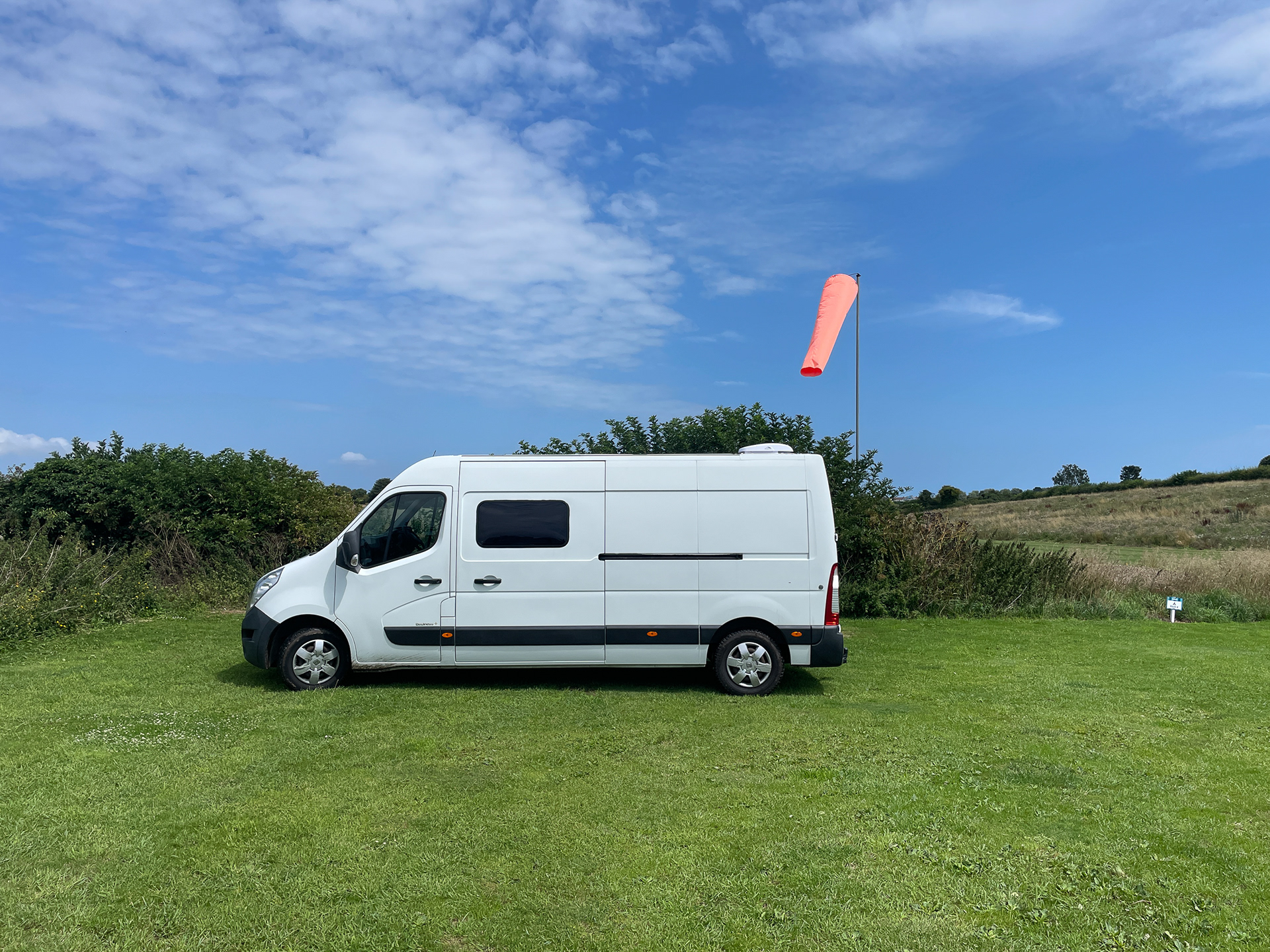
Worked well on the first couple of weekends away!
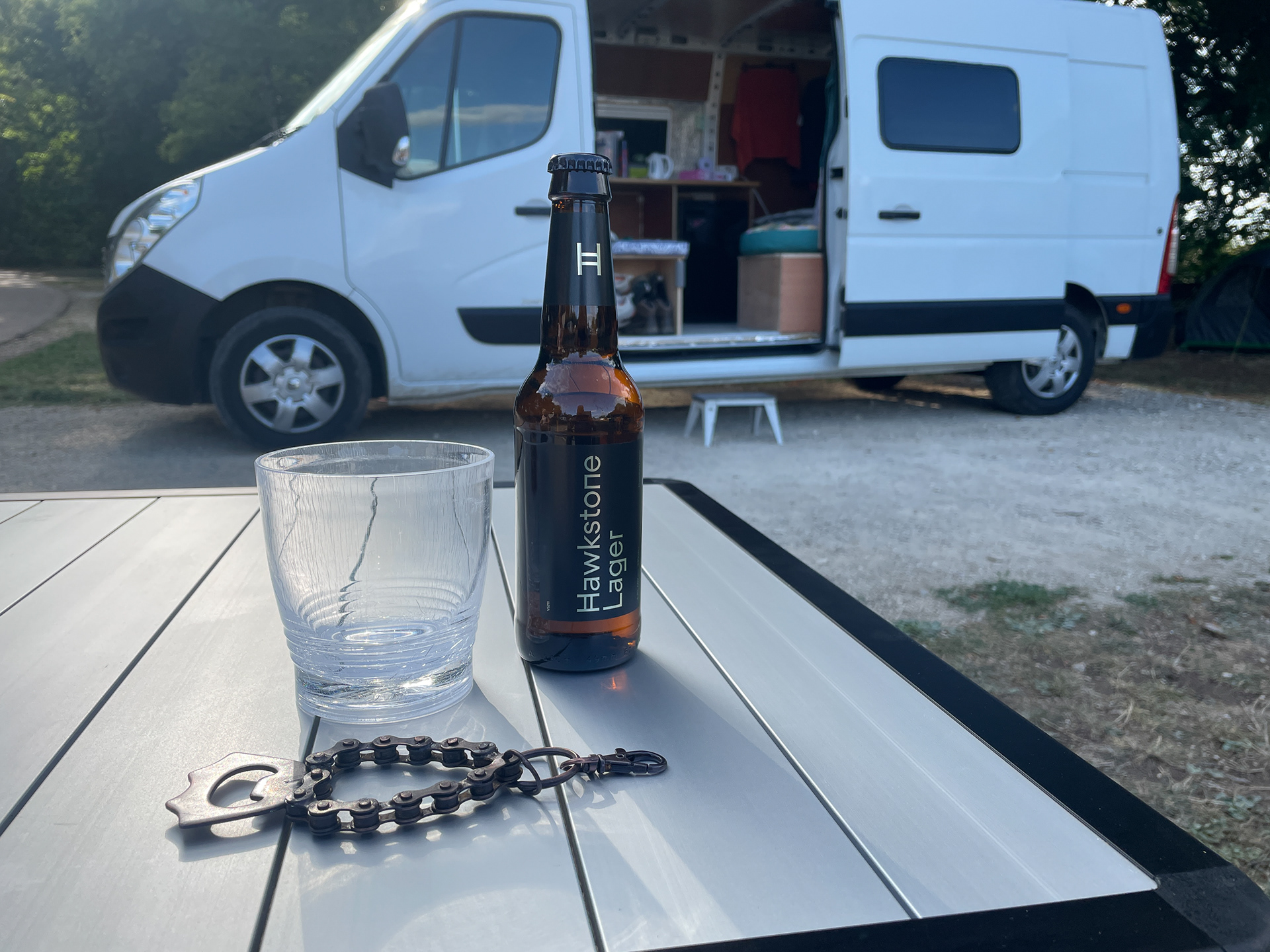
So a couple of seat boxes added for storage.
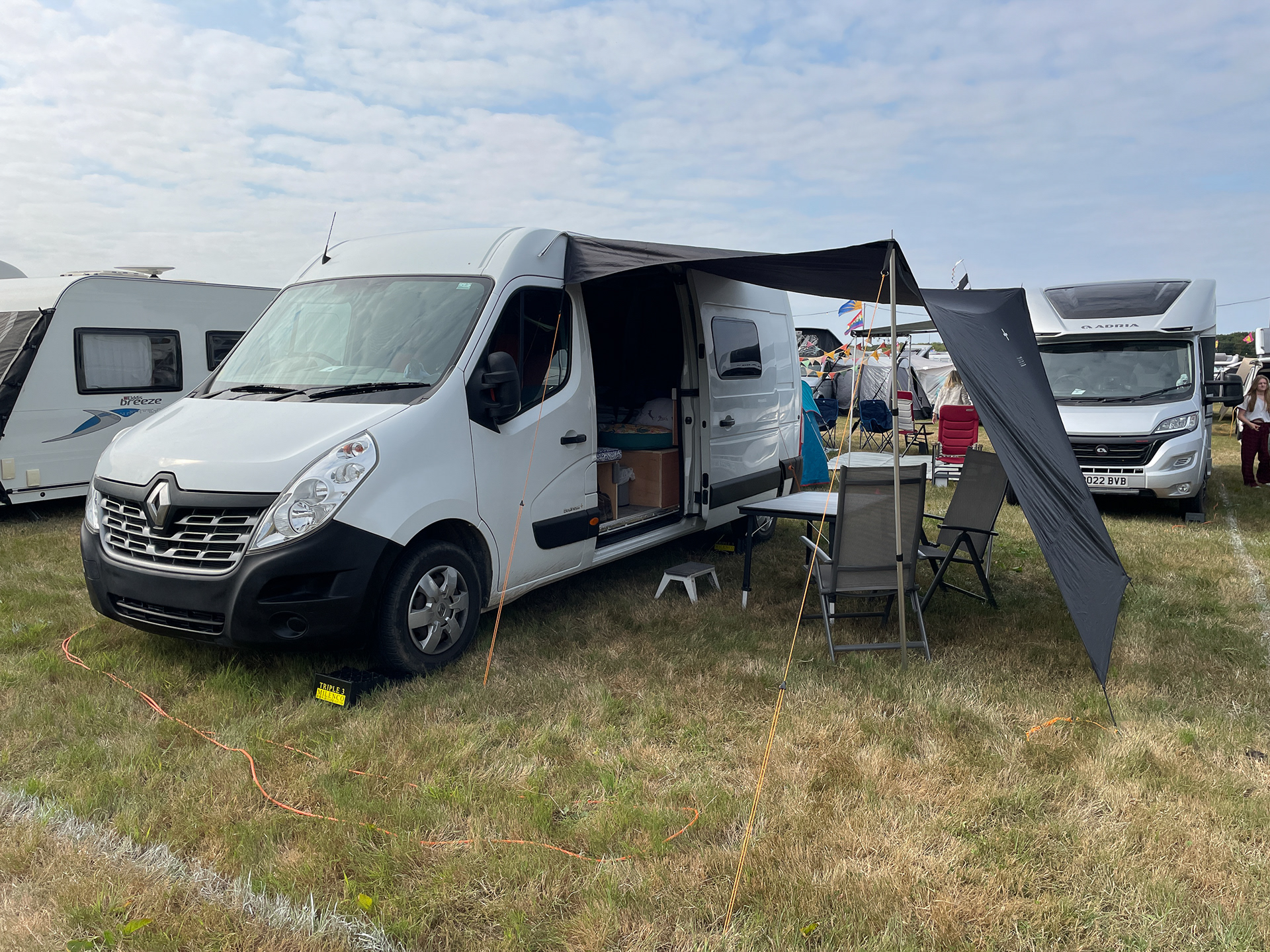
Awning rail and a simple tarp awning provide valuable 'outdoor' space

Over the Summer we've enjoyed a few weekends away and couple of festivals!

Happy with Phase 1 !!
The Build
Like most projects, it started with a blank canvas and a bit of tension. Cutting the first holes for windows and a skylight into perfectly good bodywork certainly focuses the mind. "Measure, measure, measure" quickly became a mantra.
Once the outer shell was sealed, we moved inside: adding sound deadening, insulation, and thermal layers. Gradually, a metal van began to feel like a space we'd actually want to spend time in.
Rather than waiting for a finished masterpiece, we focused on getting the core essentials functional so we could hit the road. And that's exactly what we did.
Learning by Travelling
Using the van while it was still a work in progress turned out to be our best design tool.
Over the first year, it came with us to Exmoor, festivals, camping weekends, and a track day. Each journey taught us how we actually use the space—and, more importantly, what we could live without. Every trip gave us a practical list of tweaks and lessons for the next phase.

Exmoor 2024 was its first proper outing, base camp set up. The awning has been bought with the van in mind, and thus doesn't work so well on the Eriba, but we can see that it will provide useful extra 'living space' for longer stays when the van is up and running!
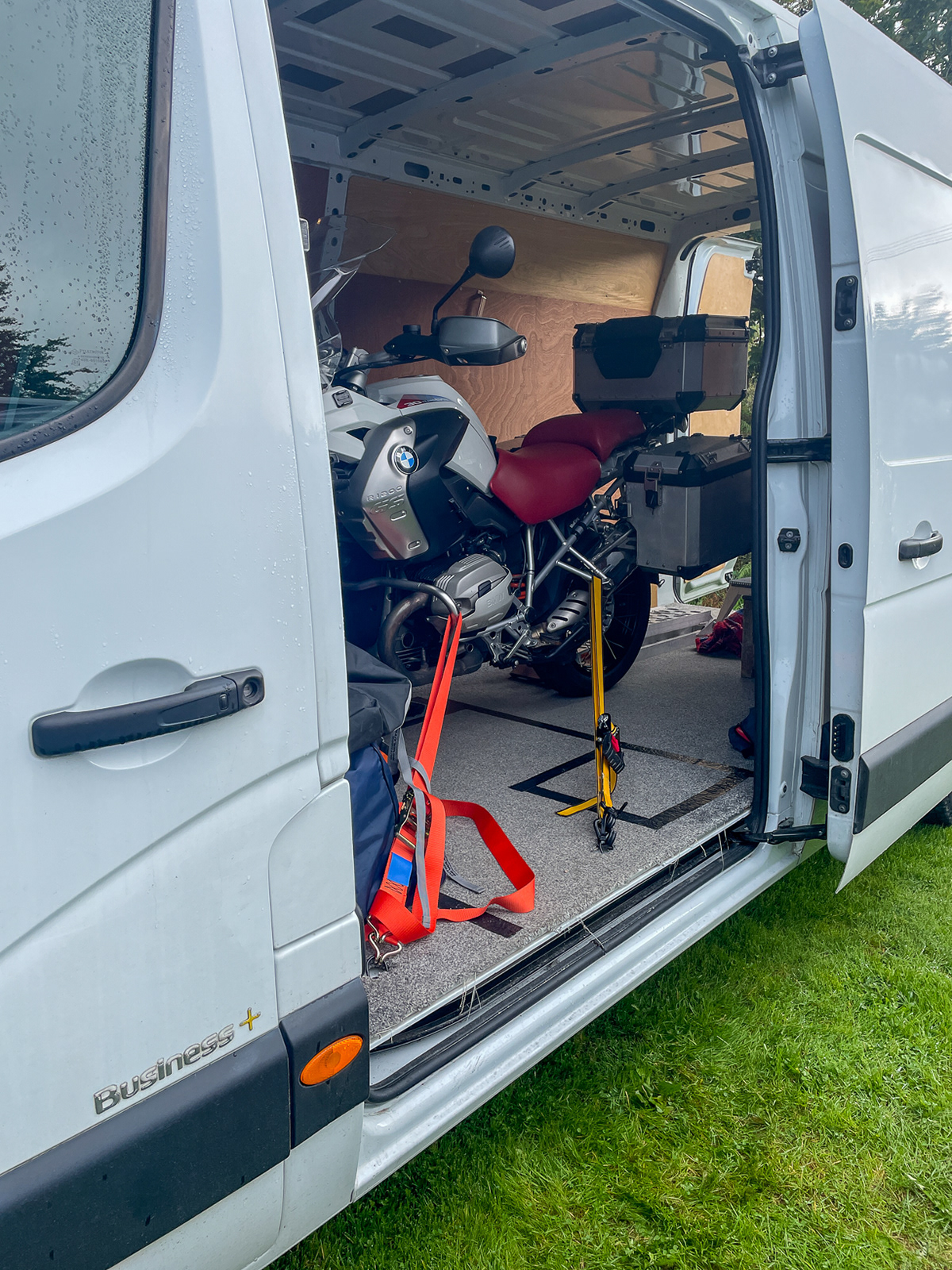
The GS was also on board. The duct tape lines on the floor are my early thinking about basic layout!

Taking the GS away provided for some great days out!
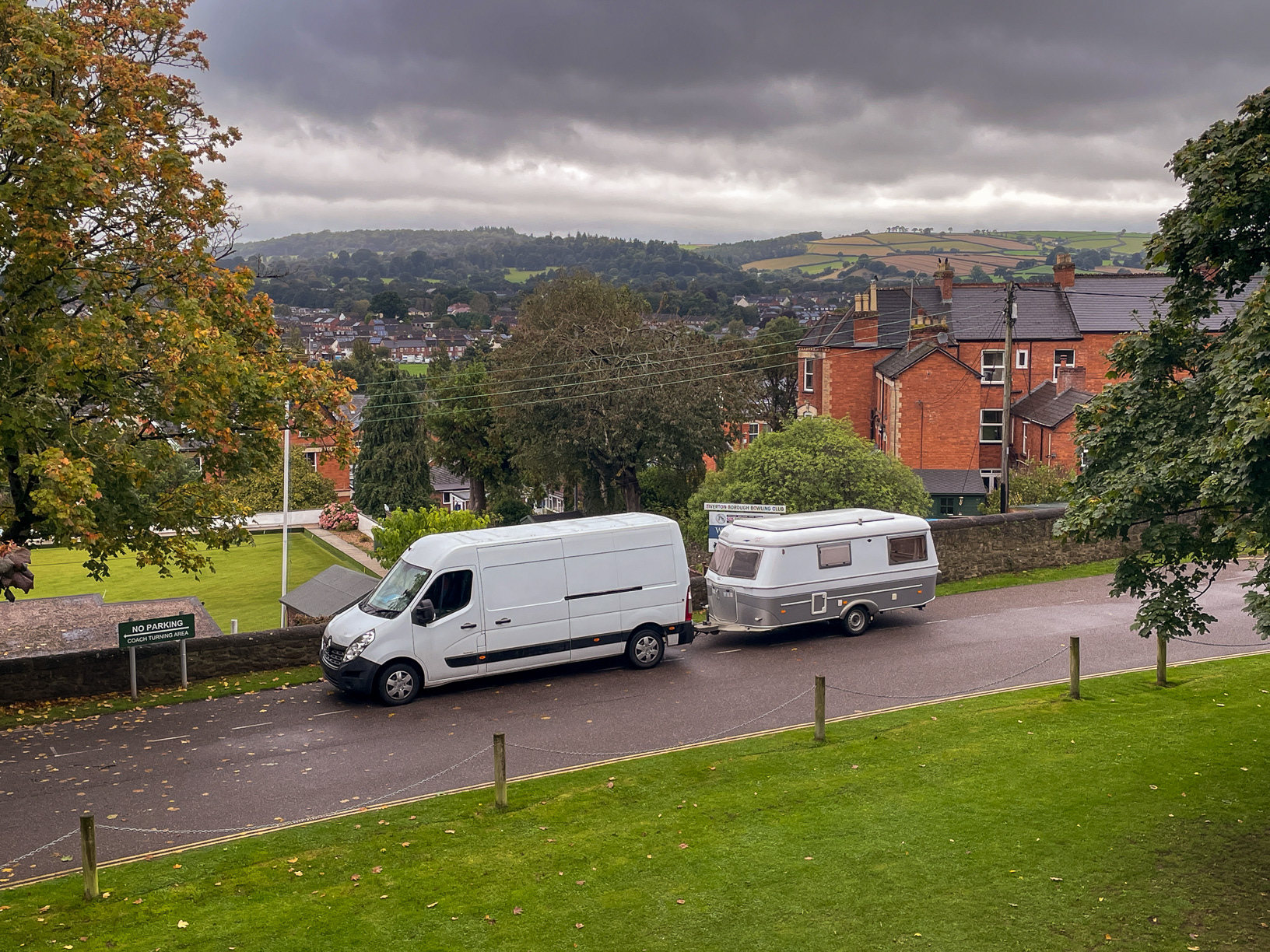
With the Eriba in tow makes for a 13m road train. Bit of a bugger when you arrive at the end of the car park to a dead end and have to reverse 300 meters back! Earned some credits from a couple of passers by who commented how well I reversed this lot out!

It has carried the Duke to Brands. Yes I know this isn't far, but useful should the day not end well !
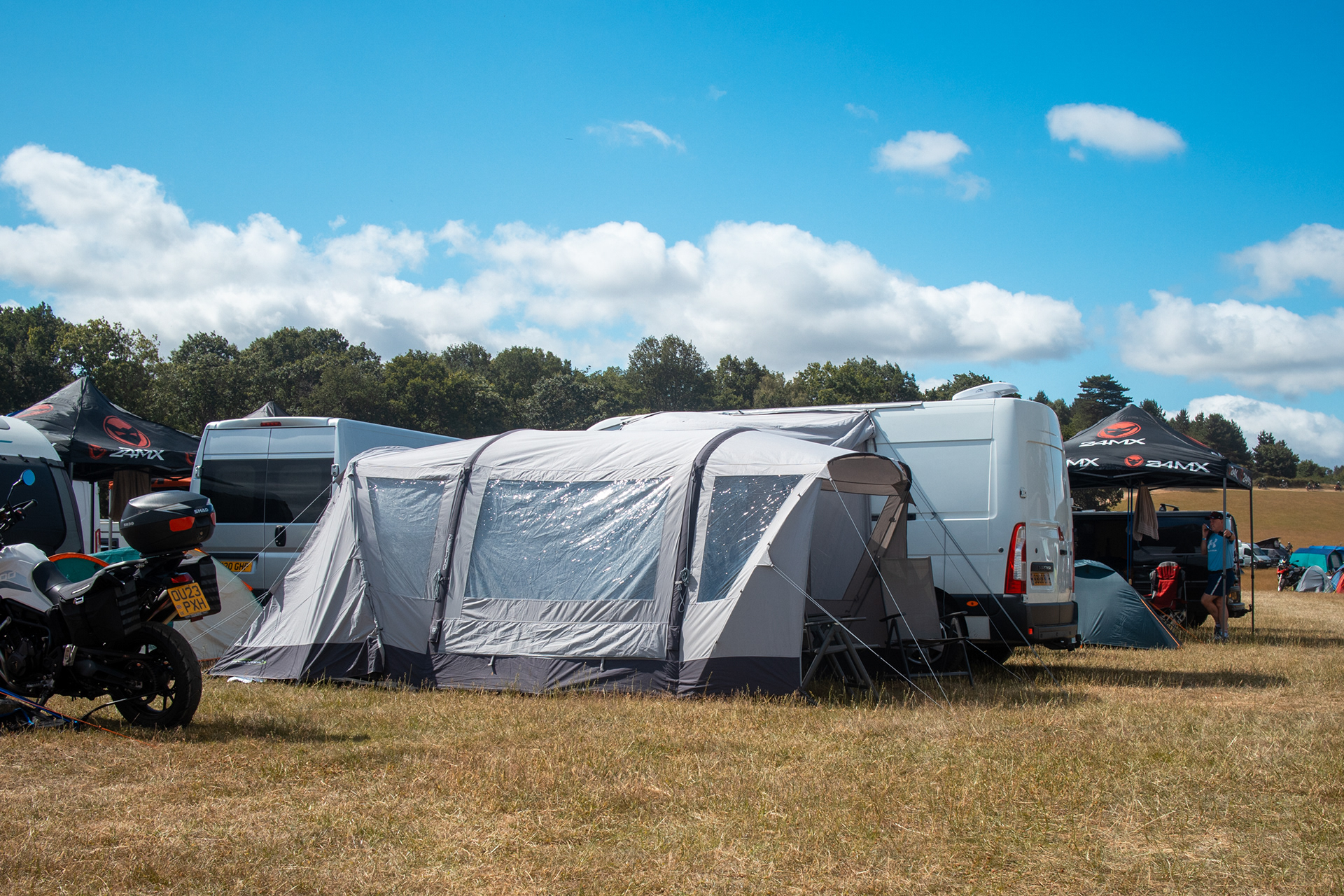
The Awning's first test at the ABR Festival
Designing Around How We Travel
Rather than cramming in every feature, we focused strictly on how we actually travel. That meant prioritising a comfortable fixed bed, decent refrigeration, and practical storage for a few days away.
It isn't built for permanent off-grid living, but as a reliable base for touring road trips, photography opportunities and festivals—and, just as importantly, a quiet place to brew a decent coffee at sunrise.

Current bed and storage solution until I can design and fabricate a Murphy Bed Frame!
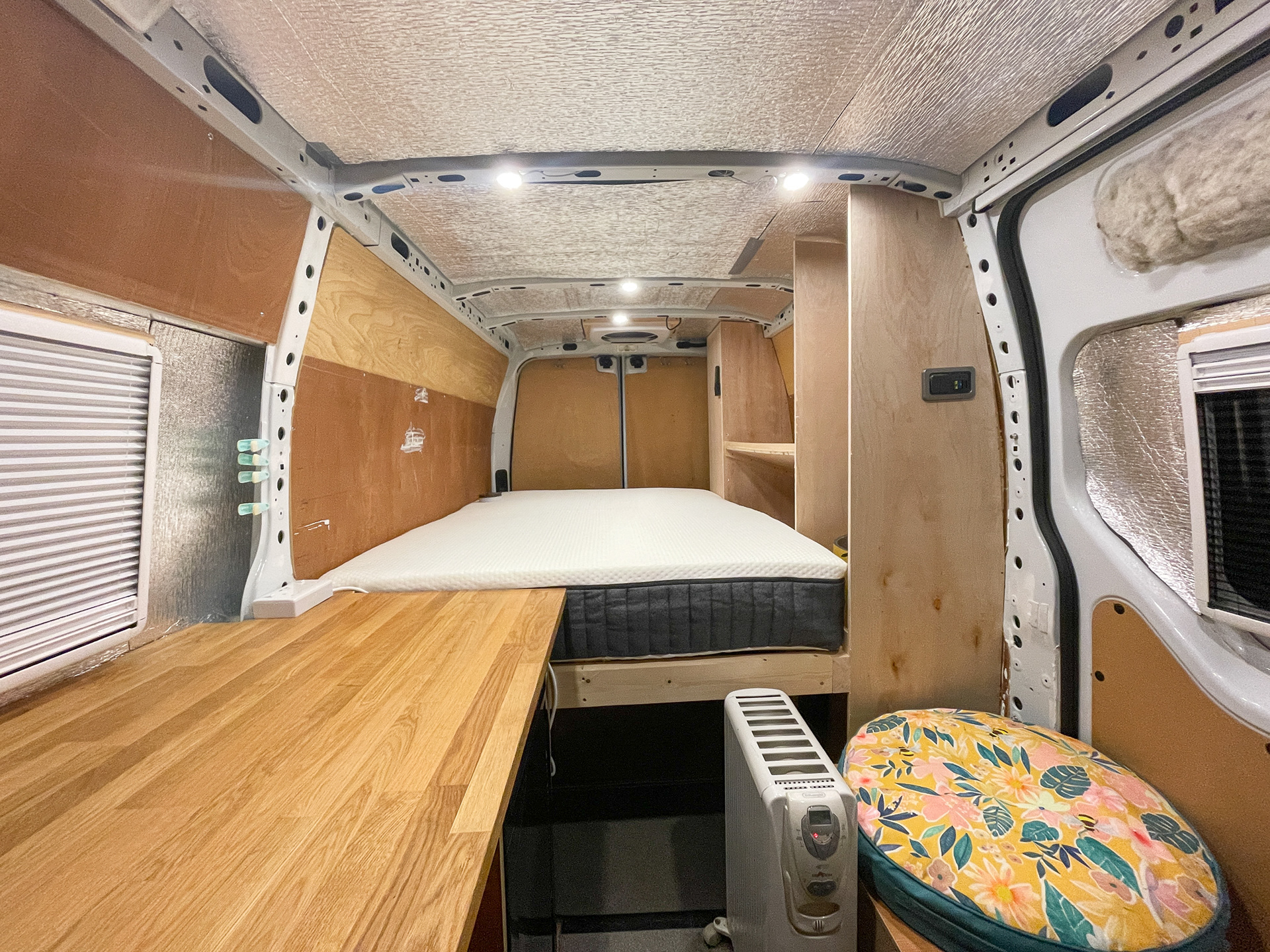
2kw electric rad is a good compromise when on site with EHU, also a good test to check output required from a diesel heater!
Looking Ahead
Like most personal projects, it's still evolving.
Future plans include solar power, further electrical upgrades, improved storage solutions and a few refinements to make life on the road even easier. Whether those plans survive contact with reality remains to be seen.
What matters most is that the van is already doing what it was built to do: helping us spend more time exploring new places.
There are plenty of destinations still on the list. Scotland's west coast and islands call loudly, Wales never disappoints, and there are countless corners of Britain still waiting to be discovered. Add a few photography trips, festivals and family adventures into the mix and the calendar is already looking promising.
The build may never truly be finished.
But perhaps that's part of the appeal.